
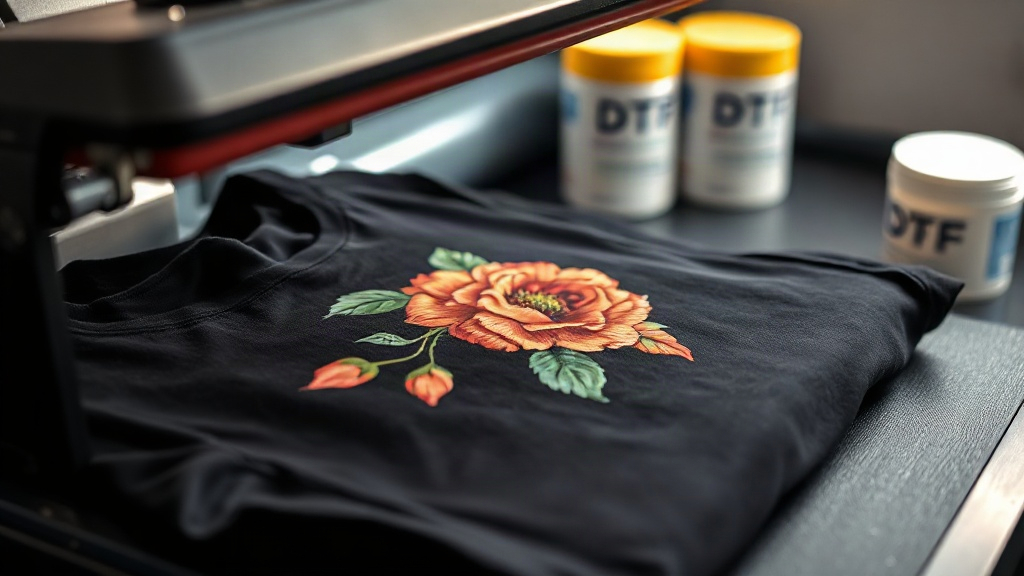
If you've been in the custom apparel game for any length of time, you've likely heard the buzz around DTF transfers. Direct-to-film printing has exploded in popularity, and for good reason. It offers a unique combination of vibrant colors, fine detail, and versatility that few other decoration methods can match. Whether you're a seasoned screen printer looking to expand your offerings or a small business owner wanting to add custom t-shirts to your product line, understanding DTF transfers is essential. In this guide, we'll walk you through the entire process, from how the transfers are made to how you apply them, and share practical tips to get professional results every time.
What Are DTF Transfers?
DTF transfers are a type of heat-applied graphic produced by printing a design onto a special film using water-based inks, then coating it with a thermoplastic adhesive powder. Once the powder is cured, the transfer is ready to be applied to fabric using a heat press. Unlike screen printing, which requires separate screens for each color, DTF printing uses a digital process that can reproduce full-color images in a single pass. This makes it ideal for complex designs with gradients, photographs, or fine lines. The transfers can be applied to a wide range of materials, including cotton, polyester, blends, and even some synthetic fabrics that are tricky for other methods.
How DTF Transfers Are Made
The production of DTF transfers involves several precise steps. First, your artwork is printed onto a PET film using a DTF printer equipped with CMYK plus white ink. The white ink acts as a base layer, allowing the colors to pop on both light and dark garments. After printing, the film is dusted with a hot-melt adhesive powder, which is then melted into the ink using a heat source. This powder becomes the glue that bonds the design to the fabric during application. The result is a flexible, stretchable transfer that feels soft to the touch and withstands repeated washing.
Key Components of a DTF Transfer
- PET Film: The carrier sheet that holds the printed design and adhesive.
- Water-based Inks: Eco-friendly and vibrant, these inks are absorbed into the film.
- Adhesive Powder: A thermoplastic powder that melts and bonds to fabric.
Benefits of Using DTF Transfers
There are many reasons why DTF transfers have become a go-to solution for decorators. Here are some standout advantages:
- No color limitations: Print photorealistic images with millions of colors.
- Works on multiple fabrics: Cotton, polyester, blends, and more.
- Soft feel: The transfers are thin and flexible, not plasticky.
- Durability: When applied correctly, they last as long as the garment.
- Cost-effective for short runs: No setup fees or minimums.
These benefits make DTF transfers a versatile choice for everything from one-off custom pieces to small-batch production.
Applications of DTF Transfers
The uses for DTF transfers are virtually endless. They are commonly seen on t-shirts, hoodies, tote bags, caps, and even shoes. Because the transfers can be applied to both natural and synthetic fabrics, they are perfect for athletic wear, where moisture-wicking polyester is common. Additionally, DTF transfers are great for adding branding to corporate uniforms, promotional items, and personal gifts. The ability to print small details and gradients makes them ideal for artistic designs, logos, and photographic prints.
How to Apply DTF Transfers
Applying DTF transfers is straightforward, but following the correct steps ensures a professional, long-lasting result. Here's a step-by-step guide:
- Preheat the garment: Remove moisture and wrinkles by pressing for a few seconds.
- Position the transfer: Place the film with the design facing up on the garment.
- Press: Use medium pressure at 325°F (160°C) for 10-15 seconds.
- Peel: Wait for the transfer to cool completely, then peel the film off in a smooth, even motion.
- Post-press: For added durability, press again for 5-10 seconds with a cover sheet.
Each heat press may vary, so always test with a scrap piece first. The key is to maintain consistent temperature and pressure.
Common Mistakes to Avoid
- Pressing at too high a temperature: This can scorch the fabric or cause the transfer to discolor.
- Peeling too soon: Hot peel can stretch the design; always cool peel for best results.
- Insufficient pressure: Leads to poor adhesion and premature peeling.
- Not preheating: Moisture can cause the transfer to lift.
DTF Transfers vs. Other Decoration Methods
How do DTF transfers stack up against screen printing, DTG, and vinyl? Each method has its strengths, but DTF shines in specific areas. Compared to screen printing, DTF requires no minimum order and handles full-color designs without extra cost. Against DTG, DTF works on a wider range of fabrics and often produces more vibrant colors on dark garments. Vinyl is limited in color and detail, while DTF can reproduce intricate artwork. The table below summarizes the differences.
| Method | Best For | Fabric Compatibility | Detail |
|---|---|---|---|
| DTF | Full-color, small batches | Cotton, poly, blends | High |
| Screen Printing | Bulk orders, simple designs | Most fabrics | Medium |
| DTG | Cotton, photographic | Cotton-heavy | High |
| Vinyl | Simple text, numbers | Most fabrics | Low |
As you can see, DTF transfers offer a balanced mix of quality, versatility, and cost-effectiveness.
Choosing the Right DTF Transfer for Your Project
Not all DTF transfers are created equal. When selecting a transfer, consider the following factors:
- Ink quality: Look for transfers that use high-quality water-based inks for vibrant colors.
- Adhesive strength: A good adhesive ensures the transfer stays put after many washes.
- Film type: Some films are designed for hot peel, others for cold peel; choose based on your workflow.
- Size and quantity: Transfers come in various sizes; order according to your design dimensions.
If you're outsourcing, choose a reputable supplier like DTF Master Print that prioritizes quality control.
Custom DTF Transfers vs. DIY
You can either create your own DTF transfers with a DTF printer or purchase them pre-made. DIY gives you full control but requires an initial investment in equipment and supplies. Buying custom transfers from a professional service is more convenient and ensures consistent results, especially if you lack the space or time for printing. Many small businesses start by outsourcing until their volume justifies in-house production.
Durability and Care for DTF Transfers
When applied correctly, DTF transfers are highly durable. To maximize the lifespan of your decorated garments, follow these care instructions:
- Wait at least 24 hours before the first wash.
- Turn the garment inside out before washing.
- Use cold water and a gentle cycle.
- Avoid bleach and fabric softeners.
- Tumble dry on low or hang to dry.
- Do not iron directly on the transfer; if needed, iron inside out.
With proper care, your DTF-printed apparel can last for years without cracking or fading.
Frequently Asked Questions About DTF Transfers
Can DTF transfers be applied to 100% polyester?
Yes, DTF transfers work beautifully on polyester. However, because polyester is sensitive to high heat, you should lower the press temperature to around 300°F (150°C) and use light pressure to avoid scorching or dye migration. Always test on a scrap piece first.
How long do DTF transfers last?
With proper application and care, DTF transfers can last as long as the garment itself. The adhesive powder creates a strong bond that resists cracking and peeling. Washing inside out in cold water and avoiding high heat in the dryer will extend the life of the transfer.
Do I need a special printer for DTF transfers?
Yes, to produce your own DTF transfers, you need a DTF printer that uses water-based inks and white ink. These printers are specifically designed to print on PET film. Alternatively, you can order custom transfers from a supplier and apply them with a standard heat press.
What is the difference between DTF and DTG?
DTF (Direct-to-Film) involves printing on a film and then transferring to fabric, while DTG (Direct-to-Garment) prints directly onto the garment. DTF works on more fabric types and often produces more vibrant colors on dark shirts. DTG is limited mostly to cotton and requires pre-treatment.
Can I stretch DTF transfers?
DTF transfers are flexible and can stretch with the fabric to some degree. However, excessive stretching may cause the transfer to crack over time. For stretchy fabrics like spandex, choose a transfer with a high-quality elastic adhesive and avoid over-stretching during application.
Final Thoughts
DTF transfers have revolutionized the custom apparel industry by offering unparalleled versatility, vibrant colors, and durability. Whether you're a hobbyist or a professional decorator, mastering DTF printing and application can open up new creative and business opportunities. Remember to start with quality supplies, follow the correct application steps, and care for your garments properly. With practice, you'll be producing stunning, long-lasting designs that impress your customers. For high-quality DTF transfers and supplies, visit DTF Master Print today.