
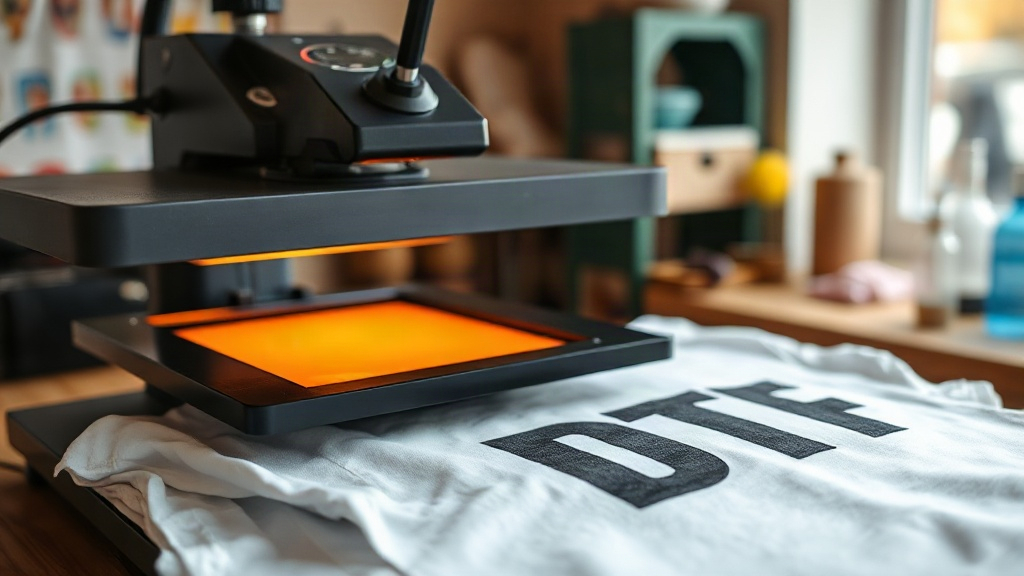
When you first encounter DTF Transfers, you might wonder what all the buzz is about. Direct-to-film printing has quickly become a go-to method for creating vibrant, durable designs on a wide range of fabrics. Unlike traditional screen printing or vinyl, DTF transfers offer incredible detail and color without the hassle of weeding or complex setups. Whether you're a small business owner, a hobbyist, or just someone who loves customizing t-shirts, understanding DTF transfers can open up a world of creative possibilities.
What Are DTF Transfers?
DTF stands for Direct-to-Film. It's a printing process where your design is printed onto a special film, coated with a powder adhesive, and then heat-pressed onto the fabric. The result is a soft, stretchable print that bonds permanently to the material. This method works on cotton, polyester, blends, and even some synthetic fabrics, making it far more versatile than other techniques. The magic lies in the film: it holds the ink and adhesive, allowing for intricate details and gradients that other methods struggle to reproduce.
Why Choose DTF Transfers Over Other Methods?
If you've tried screen printing or heat transfer vinyl (HTV), you know each has its limitations. Screen printing is cost-effective for large orders but requires separate screens for each color and struggles with photographic images. HTV is great for simple one-color designs but can be time-consuming to weed and layer. DTF transfers bridge the gap: they handle full-color designs with ease, require no weeding, and work on almost any fabric. Plus, the prints are incredibly durable, resisting cracking, peeling, and fading even after repeated washes.
Cost-Effectiveness for Small to Medium Runs
For small businesses or individuals, DTF transfers are a game-changer. You don't need to invest in expensive equipment or commit to large minimum orders. A single transfer can be produced quickly, making it perfect for custom orders, samples, or one-off pieces. The cost per print is competitive, especially when you factor in the time saved on setup and cleanup.
Unmatched Design Flexibility
With DTF, you're not limited by color count or design complexity. Photographs, gradients, fine lines, and even tiny text come out sharp and vibrant. This flexibility means you can offer customers truly unique apparel without compromising on quality. Whether it's a detailed logo or a full-color illustration, DTF transfers handle it all.
How to Apply DTF Transfers: Step-by-Step
Applying DTF transfers is straightforward, but following the right steps ensures a professional finish. Here's what you need to know.
1. Prepare Your Workspace and Materials
You'll need a heat press, the DTF transfer itself, and your garment. A heat press is essential for consistent temperature and pressure; an iron can work in a pinch but won't give the same results. Set your heat press to the recommended temperature, usually around 325°F to 350°F (160°C to 175°C). Pre-press the garment for a few seconds to remove moisture and wrinkles.
2. Position and Press
Place the transfer on the garment with the printed side facing up. If your transfer has a carrier film, make sure it's on top. Press for 10-15 seconds with medium to firm pressure. The exact time and pressure can vary by film type, so always check the instructions provided by your supplier.
3. Peel and Finish
After pressing, allow the transfer to cool completely before peeling off the carrier film. This is known as a cold peel. Some films require a hot peel, so again, follow the specific guidelines. Once peeled, you can press again for a few seconds with a protective sheet to ensure maximum adhesion. And that's it! Your custom apparel is ready to wear.
Common Challenges and How to Overcome Them
Even with a simple process, issues can arise. Here are some common problems and their solutions.
- Adhesion Issues: If the transfer doesn't stick, it could be due to insufficient pressure, incorrect temperature, or a dirty garment. Ensure your heat press is calibrated and the fabric is clean and dry.
- Cracking or Peeling: This often happens if the transfer is stretched during application or if the garment is washed improperly. Always wait 24 hours before washing, and turn the garment inside out.
- Color Fading: Use high-quality DTF films and inks. Cheap materials may fade faster. Also, avoid washing in hot water and harsh detergents.
DTF Transfers vs. Other Printing Methods
Let's compare DTF to the most common alternatives to help you decide which is best for your needs.
DTF vs. Screen Printing
Screen printing is cost-effective for large orders of simple designs, but it requires separate screens for each color and has high setup costs. DTF excels in full-color, detailed designs and short runs, with no setup fees.
DTF vs. DTG (Direct-to-Garment)
DTG prints directly onto the garment, which works well for cotton but struggles with polyester and dark colors. DTF can be applied to almost any fabric and color, and the prints are often more durable.
DTF vs. Vinyl
Heat transfer vinyl is great for simple, single-color designs but requires weeding and layering for multi-color. DTF is faster for complex designs and produces a softer feel.
Tips for Long-Lasting DTF Prints
To ensure your DTF transfers stand the test of time, follow these care tips:
- Wait at least 24 hours before the first wash.
- Wash inside out in cold water.
- Use mild detergent and avoid bleach.
- Tumble dry on low or hang to dry.
- Iron on the reverse side, never directly on the print.
Frequently Asked Questions
Can DTF transfers be applied to any fabric?
DTF transfers work best on cotton, polyester, and blends. They can also be applied to some synthetic fabrics like nylon, but adhesion may vary. Always test on a scrap piece first.
How long do DTF transfers last?
With proper care, DTF prints can last as long as the garment itself. They resist cracking, peeling, and fading for 50+ washes.
Do I need a special printer for DTF?
Yes, DTF printing requires a dedicated DTF printer and specialized inks and films. However, you can purchase pre-printed transfers from suppliers if you don't want to invest in the equipment.
What is the difference between hot peel and cold peel DTF films?
Hot peel films are peeled immediately after pressing while the transfer is still hot. Cold peel films must cool completely before peeling. The type you use depends on the film manufacturer's instructions.
Can I layer DTF transfers?
Yes, you can layer DTF transfers, but it's best to press each layer separately. Use a lower pressure for the top layers to avoid flattening the print.
DTF transfers are a versatile and durable solution for custom apparel. With the right technique and care, you can create stunning, long-lasting designs that impress. Whether you're a professional or a DIY enthusiast, DTF opens up endless creative opportunities.