
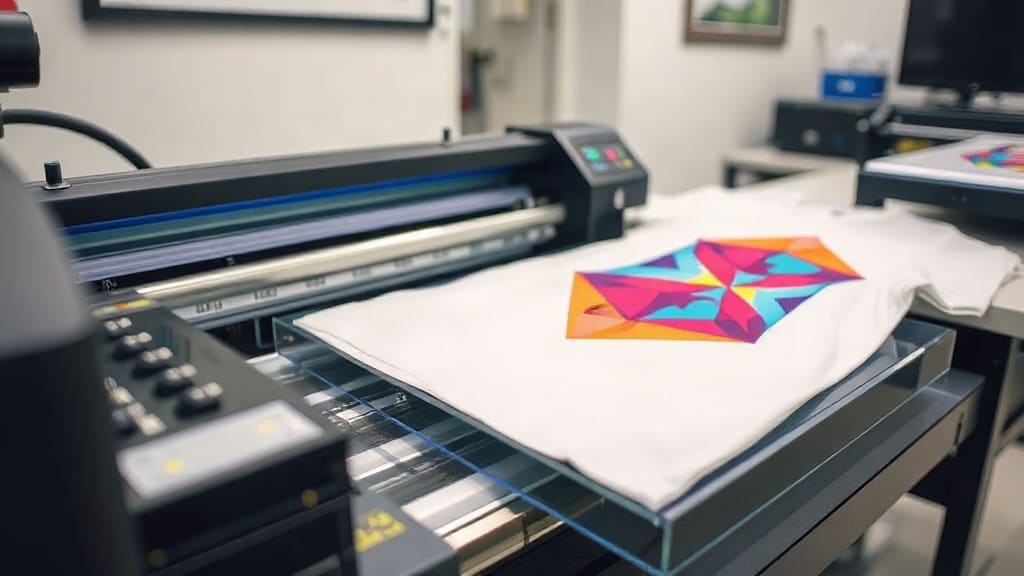
If you're exploring custom apparel printing, you've likely heard about DTF transfers. This innovative technique has taken the industry by storm, offering vibrant colors and impressive durability. In this guide, I'll walk you through everything you need to know about DTF transfers, from how they work to practical tips for getting the best results.
What Are DTF Transfers?
DTF stands for Direct to Film. It's a printing method where a design is printed onto a special PET film using a DTF printer and specialized inks. The printed film is then coated with a hot-melt adhesive powder, which is melted and cured. This film is later transferred onto fabric using a heat press. The result is a vibrant, durable print that feels soft and stretches well with the fabric.
Unlike traditional methods like screen printing, DTF transfers allow for highly detailed, full-color designs without the need for screens or setup fees. They're especially popular among small businesses and print-on-demand services because of their versatility and cost-effectiveness for small to medium orders.
How Does the DTF Process Work?
Understanding the process helps you appreciate why DTF transfers are so effective. Here's a step-by-step breakdown:
- Design Preparation: Create or choose your design using graphic software. Ensure it's in high resolution and has proper color profiles.
- Printing: The design is printed onto a transparent PET film using a DTF printer. The printer uses CMYK plus white ink to ensure colors pop even on dark fabrics.
- Applying Adhesive: A hot-melt adhesive powder is applied to the wet ink on the film. This powder is what will bond the design to the fabric.
- Curing: The film is heated to melt the adhesive powder, creating a strong bond.
- Transfer: The film is placed onto the fabric, and a heat press applies pressure and heat. The adhesive melts and fuses the design to the garment.
- Peeling: After cooling, the film is peeled away, leaving the vibrant design on the fabric.
This process allows for complex designs, including gradients and photographic images, to be transferred in one go.
Key Benefits of DTF Transfers
DTF transfers offer numerous advantages that make them a favorite among printers and entrepreneurs.
Versatility Across Fabrics
Unlike some methods, DTF transfers work on a wide range of materials, including cotton, polyester, blends, and even leather. This makes them ideal for creating custom t-shirts, hoodies, tote bags, and more.
Vibrant Colors on Dark Materials
The white ink layer in DTF ensures that colors remain bright and opaque, even on black or dark-colored fabrics. This is a significant advantage over methods like inkjet transfer paper.
Soft Hand Feel
The prints from DTF transfers are thin and flexible, resulting in a soft texture that doesn't crack or peel easily. This enhances comfort and durability.
No Minimum Order Requirements
With DTF, you can print a single item or a thousand without worrying about setup costs. This makes it perfect for made-to-order businesses and personalized gifts.
Cost-Effective for Small Runs
If you're producing less than 50 pieces per design, DTF is often more affordable than screen printing, which has high setup fees.
DTF Transfers vs. Other Printing Methods
To truly appreciate DTF, it's helpful to compare it with other popular methods.
DTF vs. Screen Printing
Screen printing is excellent for large orders with simple designs. However, it requires screens and setup, making it costly for small batches. DTF transfers are more flexible and budget-friendly for low quantities.
DTF vs. Direct-to-Garment (DTG)
DTG printing is great for detailed, full-color prints directly on garments. But it can be slow and requires a flat surface. DTF transfers can be applied to various fabric types and don't require pre-treatment for every fabric type.
DTF vs. Heat Transfer Vinyl (HTV)
HTV is perfect for simple, single-color designs. For multi-colored designs, you need to layer vinyl, which is time-consuming. DTF transfers handle full-color designs in one pass, saving time.
Getting Started with DTF Transfers
If you're considering incorporating DTF into your business, here are some practical tips.
Invest in Quality Equipment
You'll need a DTF printer, PET films, DTF inks, adhesive powder, and a heat press. The quality of these components directly affects the final product. Research reputable brands and read reviews.
Master the Heat Press Settings
Temperature, pressure, and time are crucial. Typically, you'll press at around 300°F (150°C) for 15-20 seconds with medium pressure. However, always test on scrap fabric to dial in the perfect settings.
Understand Your Inks and Films
Different inks and films may require specific curing times or heat settings. Always follow the manufacturer's guidelines for the products you use.
Test, Test, Test
Before running a large batch, do several tests on different fabrics. This ensures your design colors are accurate and the adhesion is strong.
Handle the Film Carefully
The printed film is delicate before curing. Avoid touching the inked areas, and store it flat to prevent wrinkles.
Common Mistakes to Avoid
- Incorrect Peeling Temperature: Peeling too hot or cold can damage the transfer. Usually, it's best to peel cold or warm, depending on the film type.
- Insufficient Pressure: If the pressure is too low, the adhesive may not bond fully, leading to peeling after washing.
- Ignoring Fabric Compatibility: While DTF is versatile, some fabrics may require special care. Always test.
- Skipping the Pre-Press: Pre-pressing the garment removes moisture and wrinkles, ensuring a smooth transfer.
Cost Considerations and ROI
DTF transfers can be a profitable addition to your business. The cost per print varies based on design size and ink usage. Typically, a standard 8x10 inch print might cost around $1-$2 in materials. When you sell a custom t-shirt for $20-$30, your profit margin is healthy.
Moreover, the ability to print on demand reduces inventory costs. You can offer a wide range of designs without investing in stock upfront.
The Future of DTF Transfers
As technology advances, DTF continues to evolve. Newer printers are faster and more reliable, and eco-friendly inks are becoming available. This makes DTF an even more attractive option for businesses looking to reduce their environmental footprint.
Frequently Asked Questions
How long do DTF transfers last on garments?
When applied correctly, DTF transfers can withstand 50-100 washes without significant fading or cracking. The key is to follow proper care instructions, such as washing inside out and avoiding high-heat drying.
Can I use DTF transfers on 100% polyester?
Yes, DTF works on polyester, but you need to use a lower temperature and shorter press time to prevent melting the fabric. Always test first.
What is the difference between DTF and sublimation?
Sublimation requires polyester or polymer-coated items and works best on light colors. DTF is more versatile, working on cotton and dark fabrics, making it a broader solution.
Do I need a special heat press for DTF?
Any standard heat press will work, but you need to ensure even pressure and accurate temperature control. A clamshell or swing-away press is fine.
Can I use DTF transfers for small logos?
Absolutely. DTF can reproduce even the tiniest details, so it's perfect for small logos or text.
Final Thoughts
DTF transfers have revolutionized the custom apparel industry. Their versatility, affordability, and stunning results make them a top choice for businesses of all sizes. Whether you're a hobbyist or a professional, mastering DTF can expand your product offerings and delight your customers. With the right equipment and a bit of practice, you'll be producing high-quality, vibrant prints that stand out.