
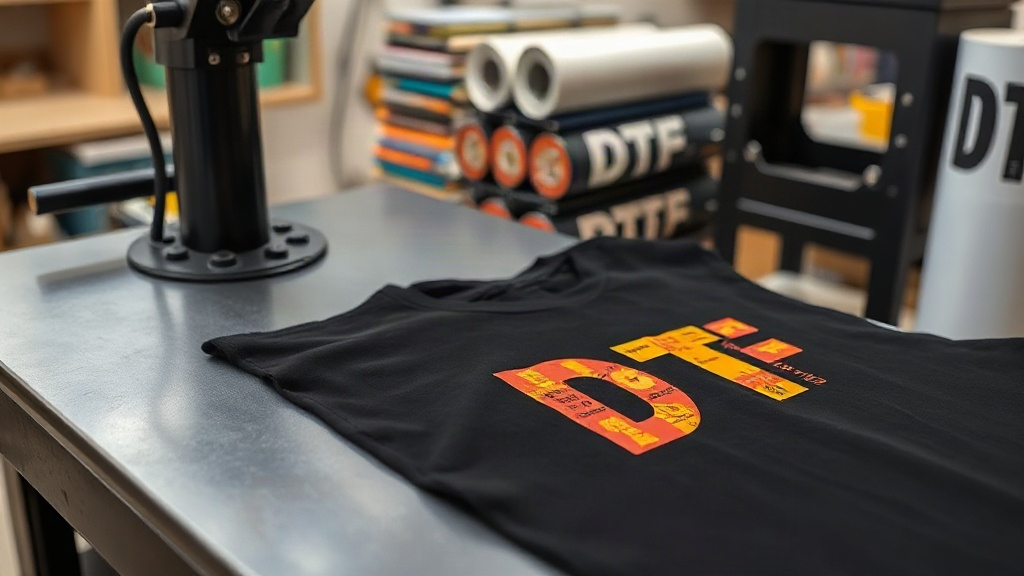
If you've been in the custom apparel game for even a short time, you've likely heard the buzz around DTF transfers. This printing method has taken the industry by storm, and for good reason. Unlike traditional screen printing or vinyl cutting, DTF transfers offer incredible versatility, vibrant colors, and impressive durability, all without the hefty setup costs. Whether you're a small business owner, a hobbyist, or a large-scale producer, understanding how DTF transfers work and how to choose the right garments can elevate your creations from ordinary to extraordinary.
In this guide, we'll dive deep into the world of DTF transfers, compare them to other methods, and explore why pairing them with quality blanks like Shaka Wear and Smart Blanks can make all the difference. By the end, you'll have the knowledge to produce stunning, long-lasting custom apparel that your customers will love.
What Are DTF Transfers?
DTF stands for Direct to Film. It's a printing process where your design is printed onto a special PET film using water-based inks, then coated with a hot-melt adhesive powder. Once the powder is cured, the transfer is ready to be applied to a garment using a heat press. The result is a soft, stretchable print that bonds seamlessly to the fabric.
The magic of DTF lies in its simplicity and flexibility. You can print intricate details, gradients, and photorealistic images without worrying about color limitations or screen setup. Plus, DTF transfers work on a wide range of fabrics, including cotton, polyester, blends, and even nylon. This makes them a go-to choice for custom t-shirts, hoodies, tote bags, and more.
How DTF Transfers Are Made
The process involves several key steps:
- Design Preparation: Your artwork is prepared digitally, ensuring it's mirrored and sized correctly.
- Printing: A DTF printer lays down white ink as a base, followed by CMYK inks to create the full-color image on the film.
- Powdering: While the ink is still wet, a hot-melt adhesive powder is applied evenly across the print.
- Curing: The film passes through a curing oven or heat press to melt the powder, creating a dry, tack-free surface.
- Transfer: The film is placed on the garment and pressed with a heat press, transferring the design permanently.
Each step requires precision, but once mastered, DTF transfers offer a level of consistency and quality that's hard to beat.
Why Choose DTF Transfers Over Other Printing Methods?
There are several printing techniques out there, each with its own strengths and weaknesses. So why should you consider DTF transfers? Let's break it down.
1. No Color Limits
With screen printing, each color requires a separate screen, which can be costly and time-consuming. DTF transfers, on the other hand, can reproduce full-color images in a single pass. This means you can print complex designs with gradients, shadows, and fine details without breaking the bank.
2. Works on Almost Any Fabric
DTF transfers adhere well to cotton, polyester, cotton-poly blends, and even treated nylon. This versatility opens up a world of possibilities for your product line. Whether you're printing on a 100% cotton Shaka Wear tee or a polyester performance Smart Blanks hoodie, DTF delivers consistent results.
3. Durability and Washability
When applied correctly, DTF transfers are incredibly durable. They resist cracking, peeling, and fading even after multiple washes. This is a major advantage over vinyl, which can lift at the edges, or screen printing, which may crack over time on stretchy fabrics.
4. Low Setup Costs
Unlike screen printing, DTF doesn't require screens, setup fees, or minimum order quantities. This makes it perfect for small batches, personalized items, or one-off designs. You can print as few or as many as you need without worrying about waste.
5. Soft Hand Feel
Advancements in DTF technology have led to thinner, more flexible transfers that feel soft to the touch. They don't have the plastic-like texture of some heat transfers, making them comfortable to wear.
Choosing the Right Blanks for DTF Transfers
The quality of your blank garment is just as important as the print itself. A great print on a poor-quality shirt won't impress anyone. That's why we recommend using reputable brands like Shaka Wear and Smart Blanks.
Shaka Wear: Streetwear Essentials
Shaka Wear has become a favorite among streetwear brands and custom printers alike. Their t-shirts and hoodies are known for their heavyweight cotton, relaxed fits, and superior construction. The fabric takes DTF transfers beautifully, resulting in vibrant, long-lasting prints. If you're aiming for that trendy, urban look, Shaka Wear is a solid choice.
Smart Blanks: Versatile and Reliable
Smart Blanks offers a wide range of apparel, from classic tees to tank tops and kids' sizes. Their garments are made from soft, ring-spun cotton and blends that provide a smooth printing surface. The consistent quality of Smart Blanks ensures that your DTF transfers look sharp and professional every time. Plus, their affordable pricing makes them ideal for bulk orders.
What to Look for in a Blank
When selecting blanks for DTF printing, consider these factors:
- Fabric Content: Cotton and cotton blends are ideal; polyester requires lower pressing temperatures.
- Weave and Texture: Smooth, tight weaves provide the best adhesion and print clarity.
- Color: Light colors may require a white underbase for vibrant prints; dark colors need a white base for opacity.
- Weight: Heavier fabrics (like those from Shaka Wear) tend to hold up better over time.
- Washability: Pre-shrunk garments reduce the risk of shrinkage after printing.
By choosing high-quality blanks, you ensure that your DTF transfers not only look great but also stand the test of time.
Step-by-Step Guide to Applying DTF Transfers
Applying DTF transfers is straightforward, but following the correct steps is crucial for a professional finish. Here's how to do it:
- Preheat the Garment: Set your heat press to the recommended temperature (usually 300-325°F). Preheat the garment for 5-10 seconds to remove moisture and wrinkles.
- Position the Transfer: Place the DTF transfer on the garment with the printed side facing up. Ensure it's exactly where you want it.
- Press: Cover the transfer with a Teflon sheet or parchment paper. Press with medium-heavy pressure for 10-15 seconds.
- Peel: Allow the transfer to cool completely before peeling off the film. This is a cold peel process, which ensures the adhesive sets properly.
- Post-Press (Optional): For added durability, you can press the design again for a few seconds with a Teflon sheet.
Always test on a scrap piece of fabric first to dial in your settings. Different fabrics and transfer sizes may require slight adjustments.
Common Mistakes to Avoid with DTF Transfers
Even seasoned printers can run into issues. Here are some common pitfalls and how to avoid them:
- Insufficient Pressure: Too little pressure results in poor adhesion. Make sure your heat press is calibrated.
- Wrong Temperature: Too hot and the transfer may scorch; too cold and it won't adhere. Always follow the transfer supplier's recommendations.
- Peeling Too Soon: Hot peeling can cause the design to stretch or smear. Wait until it's completely cool.
- Using the Wrong Fabric: While DTF works on many fabrics, some (like certain nylons) may require special low-temperature transfers.
- Neglecting Storage: Store unused transfers in a cool, dry place to prevent the adhesive from absorbing moisture.
By avoiding these mistakes, you'll achieve consistent, high-quality results.
Frequently Asked Questions About DTF Transfers
How long do DTF transfers last?
With proper application and care, DTF transfers can last as long as the garment itself. They withstand dozens of washes without fading or cracking. To maximize longevity, wash the garment inside out in cold water and tumble dry on low.
Can I use DTF transfers on dark colors?
Absolutely. DTF transfers include a white ink base that makes colors pop on dark fabrics. This is one of the key advantages over other methods that require a separate white underbase.
Do I need a special printer for DTF?
Yes, DTF requires a dedicated DTF printer that uses water-based inks and can handle the film. However, you can also purchase pre-printed transfers from suppliers if you don't want to invest in the equipment.
What's the difference between DTF and DTG?
DTG (Direct to Garment) prints directly onto the fabric, while DTF prints onto a film first and then transfers. DTF is more versatile across fabrics and often more durable, while DTG is limited mostly to cotton and can be slower for large orders.
Can I stretch DTF transfers?
Yes, DTF transfers are stretchable and flexible, making them ideal for performance wear and areas that move, like elbows and knees. However, excessive stretching can cause cracking over time, so it's best to avoid overstretching the printed area.
Final Thoughts
DTF transfers have revolutionized the custom apparel industry by offering unmatched versatility, durability, and color vibrancy. When combined with high-quality blanks like Shaka Wear and Smart Blanks, you can create products that stand out in a crowded market. Whether you're printing a single shirt for a client or running a large batch for an event, DTF technology delivers professional results every time.
At dtfmasterprint.com, we're passionate about helping you succeed. Explore our resources and products to take your custom printing to the next level. With the right knowledge and tools, the possibilities are endless.