
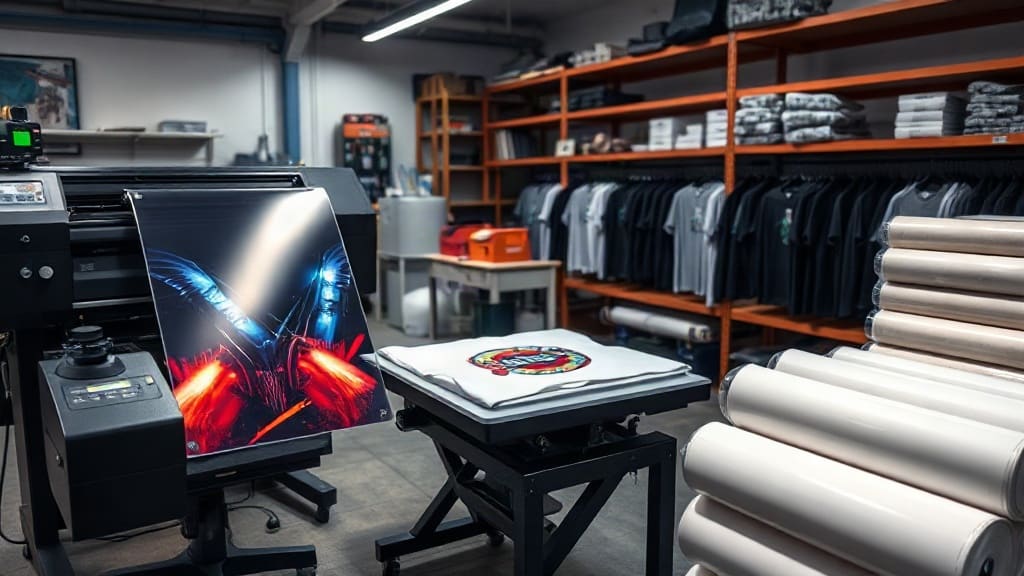
When you need custom apparel quickly, finding DTF transfers nearby can save your project. Unlike traditional screen printing, DTF (Direct to Film) allows you to print vibrant designs onto a special film, then transfer them to fabric with a heat press. The convenience of having a local supplier cannot be overstated: no long shipping delays, you can inspect quality before purchase, and you build a relationship with a printer who understands your needs. In this guide, we’ll explore how to locate the best DTF transfers near me, what to look for in quality, and how to ensure your prints come out perfect every time.
Why DTF Transfers Are a Game Changer
DTF (Direct to Film) printing has revolutionized custom apparel because it combines the flexibility of digital printing with the durability of screen printing. Unlike vinyl, which can crack and peel, DTF prints are stretchable and withstand many washes. The process is straightforward: a printer applies CMYK plus white ink onto a PET film, then a hot-melt adhesive powder is applied. After curing, the film is ready for transfer. This method works on cotton, polyester, blends, and even nylon, making it incredibly versatile.
For small businesses, hobbyists, and even large brands, DTF offers a low-cost entry point. You don’t need to invest in expensive screen printing equipment; instead, you can order transfers and apply them with a basic heat press. This is why the demand for DTF transfers has skyrocketed. But not all providers are equal. The quality of your final product depends heavily on the transfer manufacturer. So, how do you find a reliable source near you?
How to Search for DTF Transfers Near Me
When you type “DTF transfers near me” into a search engine, you’ll get a list of local print shops, but how do you know which one is the best? Here are practical steps to narrow down your options:
1. Use Location-Specific Keywords
Refine your search with your city or neighborhood. For example, “DTF transfers in Austin, TX” or “custom DTF printing near downtown Chicago” will yield more targeted results. Local business directories like Yelp, Google Maps, and Facebook Pages often highlight customer reviews and photos of actual work, giving you a glimpse into their quality.
2. Check Online Reviews and Social Media
Look for reviews that mention print durability, color accuracy, and turnaround time. A reputable shop will have a portfolio on Instagram or Facebook. Scroll through their recent posts to see if they produce consistent quality. Don’t hesitate to contact previous customers if possible; many will gladly share their experience.
3. Ask for Samples Before Committing
A trustworthy provider will offer sample packs or charge a nominal fee for test prints. This allows you to evaluate the transfer’s feel, stretch, and peel resistance. If a shop refuses to provide samples, consider that a red flag. You need to see and touch the product to ensure it meets your standards.
4. Evaluate Their Equipment and Materials
Ask about the type of printers and inks they use. High-quality DTF transfers are typically produced with Epson or Ricoh printers using pigment-based inks, and the adhesive powder should be premium grade. Inquire about the PET film thickness; a thicker film (around 75 microns) is less likely to wrinkle during transfer. Also, ask if they use a powder shaker and curing oven, as these steps affect durability.
Key Quality Indicators for DTF Transfers
Once you have a list of candidates, it’s time to assess their output. Here are the critical factors that distinguish a high-quality DTF transfer from a poor one:
Color Vibrancy and Detail
Print a test image with fine lines, gradients, and skin tones. The colors should be vivid and accurate to your original design. White ink backing should be opaque, ensuring that the design pops on dark garments. Look for any banding or streaks, which indicate poor print head calibration.
Adhesive Coverage and Powder Quality
The adhesive powder must be evenly applied. If there’s too little, the transfer won't stick well; too much, and it will feel stiff. A good transfer has a smooth, slightly tacky surface that melts evenly under heat. After pressing, the design should not feel rubbery or thick.
Stretch and Washability
Stretch a sample after pressing. The design should flex with the fabric without cracking or lifting. Wash it several times; a quality transfer will survive at least 20 washes without fading or peeling. Ask the provider about their shrinkage control and how they handle test washes.
Cutting and Weeding
If you are buying die-cut transfers, ensure the cutting is precise. The edges should be clean, with no rough or burned spots. For printed transfers, they should come on sheets or rolls with a protective cover film that is easy to peel.
How to Place an Order for DTF Transfers
Once you’ve selected a supplier, the ordering process is usually straightforward. Here’s a typical step-by-step:
- Upload your design file in high resolution (PNG or PDF with transparent background).
- Specify the size, quantity, and whether you need die-cut or sheet transfers.
- Choose your garment type and color to ensure proper white ink coverage.
- Review the proof and approve. Request a physical sample if you’re ordering large quantities.
- Receive your transfers and apply them using a heat press at the recommended temperature and time.
Many local suppliers offer rush services, so if you have an urgent event, ask about same-day or next-day options. Some even allow you to pick up your order, which brings us to another advantage of dealing with a local company: you can avoid shipping delays and costs.
The Cost of DTF Transfers: What to Expect
Pricing varies based on size, quantity, and complexity. Generally, a single 8x10 inch transfer might cost between $2.50 and $5.00, with discounts for bulk orders. Die-cut transfers are more expensive due to the cutting process. When comparing prices, don’t compromise quality for a lower quote. A cheap transfer that cracks after one wash is not a bargain. Instead, look for a balance between price and durability.
Ordering Online vs. Local: Pros and Cons
While the focus is on “near me,” you might also consider online-only shops. Let’s weigh the benefits:
Local DTF Providers
Pros: You can inspect physical samples, support local business, and have face-to-face communication. Cons: They might have limited capacity or fewer design options.
Online DTF Services
Pros: Often cheaper due to scale, and you can access a wider range of specialty films and finishes. Cons: Shipping times and costs, inability to inspect before purchase, and potential communication delays.
For many, a hybrid approach works: use local for urgent orders and online for bulk orders or unique finishes like glitter or metallic.
Frequently Asked Questions
How long does it take to receive DTF transfers from a local shop?
Most local DTF providers can turn around orders within 24 to 72 hours, depending on the quantity and complexity. If you need same-day service, call ahead to check their availability. Some shops offer express service for an additional fee.
Can I use DTF transfers on any fabric?
Yes, DTF transfers work on cotton, polyester, blends, and even leather and nylon. However, for very stretchy fabrics like spandex, it’s essential to use a high-quality adhesive and press carefully to avoid cracking. Always test a sample on the actual garment to ensure compatibility.
Do DTF transfers fade after washing?
High-quality DTF transfers are designed to withstand many wash cycles without significant fading. To maximize longevity, wash garments inside out in cold water and avoid using bleach. Tumble dry on low or hang dry. If you notice fading after a few washes, your transfer provider may be using inferior inks or adhesives.
What is the difference between DTF and sublimation?
Sublimation requires a polyester coating and works only on light-colored synthetic fabrics. DTF can print on dark and light colors and on a variety of materials, including cotton. DTF also produces a softer hand feel compared to sublimation, which often feels like part of the fabric. For cotton apparel, DTF is the superior choice.
How do I ensure the transfer adheres properly?
Follow the supplier’s instructions carefully. Typically, you need a heat press set to around 320°F (160°C) with medium pressure. Pre-press the garment for a few seconds to remove moisture, then place the transfer and press for 10-15 seconds. Peel the film hot or cold depending on the transfer type, and always use a Teflon sheet to protect the film.
Conclusion
Finding reliable DTF transfers near me doesn’t have to be a daunting task. By focusing on quality, asking the right questions, and testing samples, you can establish a partnership with a local printer that ensures your apparel projects are a success. Whether you’re creating custom shirts for a family reunion, launching a clothing line, or fulfilling bulk orders, the right DTF supplier will make all the difference. Remember to prioritize quality over price, and don’t hesitate to ask for references. With the right approach, you’ll have vibrant, durable prints that impress your customers and keep them coming back.