
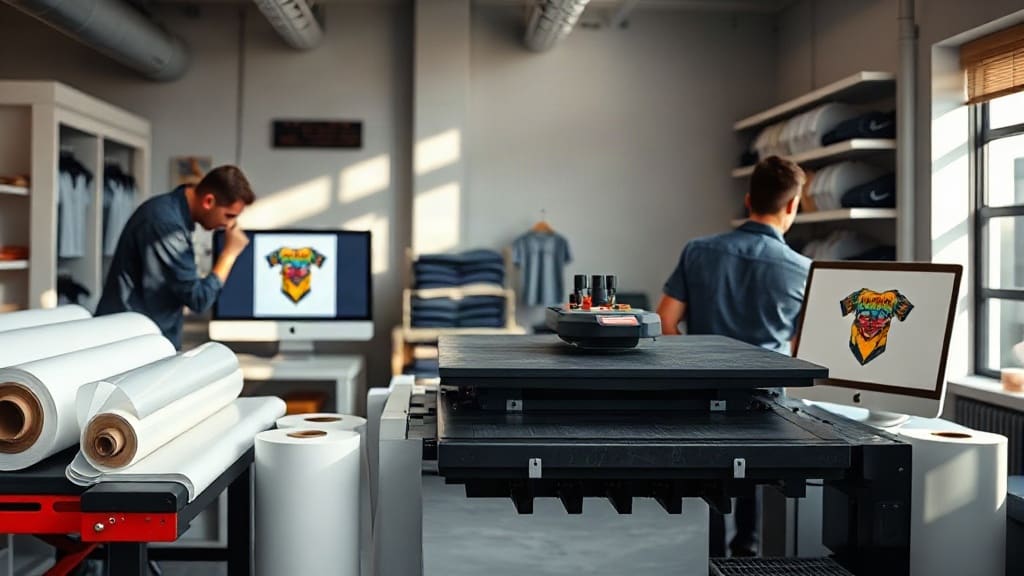
Are you searching for DTF transfers near me? If you're a small business owner, a print-on-demand entrepreneur, or just someone who wants to create custom t-shirts, hats, or tote bags, finding a reliable local DTF (Direct to Film) transfer provider can make all the difference. In this article, I'll share my personal experience and practical tips to help you locate the best local shop, evaluate their quality, and avoid common pitfalls.
When I first started looking for a DTF transfer supplier, I was overwhelmed by the options and unsure what to look for. I visited several shops, ordered samples, and even made some costly mistakes. But through trial and error, I learned exactly what separates a great DTF transfer service from a mediocre one. Let me guide you through the process so you can skip the guesswork and get the best results for your projects.
Why Choose Local DTF Transfers?
While many online services offer DTF transfers, there are distinct advantages to working with a local provider. First, you can see and feel the product before committing to a bulk order. Second, you can build a personal relationship, which often leads to better customer service and faster turnaround times. Third, you can avoid shipping costs and delays, especially if you need your transfers quickly.
However, not all local shops are created equal. You need to do your homework to ensure you're getting high-quality transfers at a fair price. Let's dive into what you should consider when searching for DTF transfers near me.
How to Find DTF Transfer Providers in Your Area
The first step is straightforward: use search engines and local directories. Search for "DTF transfers near me" on Google, Yelp, or even Facebook Marketplace. But don't stop there. Here are some other effective ways to discover local DTF printers:
- Ask other small business owners: If you know someone who sells custom apparel, ask where they get their transfers. They can give you honest feedback about their experiences.
- Check social media: Look for local print shops on Instagram or Facebook. Many showcase their work, and you can see the quality of their transfers.
- Visit local craft fairs or markets: Vendors who sell custom shirts often use local suppliers. Strike up a conversation and get recommendations.
- Search for print shops: Even if a shop doesn't advertise DTF specifically, they may offer the service. Call and ask.
Once you have a list of potential providers, it's time to evaluate them. Don't just pick the first one that appears in your search results. Take the time to compare and contrast.
What to Look For in a DTF Transfer Provider
When you're evaluating local DTF transfer shops, you need to consider several factors. Here's a checklist I wish I had when I started:
Quality of Transfers
The most critical factor is the quality of the transfers. A good DTF transfer should have vibrant colors, sharp details, and a soft hand-feel. When you order a sample, look for the following:
- Color accuracy: Are the colors true to the original design? Are there any color shifts or banding?
- Durability: Does the transfer withstand washing and stretching without cracking or peeling? Test it by washing a sample a few times.
- Adhesion: Does the transfer stick well to the fabric? Check if the edges lift or if the design fades after pressing.
- Resolution: Are fine lines and small text sharp, or do they look blurry?
I can't stress this enough: always order a sample before committing to a large order. A reputable shop will usually offer samples at a reasonable price, and some even provide a free sample if you cover shipping.
Film and Ink Quality
DTF transfers are made using a special PET film and powder adhesive. The quality of these materials directly affects the final result. Ask the provider what type of film and ink they use. High-quality materials might cost a bit more, but they ensure better stretchability and wash resistance.
Pricing and Minimums
When searching for DTF transfers near me, you'll find that prices vary. Some shops have low per-piece prices but charge a setup fee or require a high minimum order. Others may have higher unit costs but no minimums, which is ideal for small projects. Consider your needs: if you're just starting a small business, you might prefer a shop with low minimums.
Request a quote from several providers and compare the total cost, including any hidden fees like setup or shipping. Don't automatically go for the cheapest option; remember that quality often comes at a price.
Turnaround Time
If you're running a business that depends on timely delivery, turnaround time is crucial. Ask about their standard turnaround and whether they offer rush services. In my experience, local shops can often deliver faster than online services, but it's not guaranteed. Make sure you know their schedule before you place an order.
Customer Service
Good communication is key. When you call or visit a shop, notice how they treat you. Are they friendly and willing to answer your questions? Do they offer advice on preparing your artwork? A provider who cares about your success is worth more than one who simply processes orders.
Comparing Local vs. Online DTF Transfer Services
While this article focuses on finding local options, it's worth comparing them with online services. I've used both, and here are my observations:
Pros of local: You can see samples before ordering, support your local economy, have face-to-face communication, and potentially get faster service. Cons of local: They may have higher prices or limited design capabilities compared to large online printers.
Pros of online: Often cheaper for bulk orders, offer a wide range of products and services, and sometimes provide free shipping. Cons of online: You can't inspect the product before ordering, shipping takes time, and you might face communication delays.
For many, a combination works best: use local for small orders or urgent needs, and online for large batches.
How to Test a DTF Transfer Provider Before Committing
Once you've narrowed down your options, it's time to put them to the test. Here's a step-by-step approach:
- Order a sample pack: Most reputable shops offer sample packs with a variety of designs or colors. Order one from each candidate.
- Press the samples: Use your own heat press to apply the transfers to different fabrics. Follow the recommended pressing time and temperature.
- Wash and stretch test: Wash the pressed items multiple times and stretch them to see if the transfer holds up. Note any cracking, fading, or peeling.
- Evaluate the experience: Consider the ease of ordering, communication, and delivery speed.
This process takes a little time but will save you from costly mistakes down the road.
Common Mistakes to Avoid When Choosing a DTF Shop
I've seen many people (including myself) make these errors when selecting a DTF transfer provider. Learn from my mistakes:
- Ignoring the details: Don't just look at the price per transfer. Consider the overall value, including quality and support.
- Not asking about file formats: Some shops require specific file formats or DPI. Make sure you can provide what they need.
- Forgetting to check reviews: Look for reviews on Google, Yelp, or social media. But be cautious: some reviews might be fake. Look for patterns.
- Skipping the sample: This is a big one. Always test before you invest in a large order.
Frequently Asked Questions
How much do DTF transfers cost from local shops?
Prices vary depending on the size, complexity, and quantity of the transfers. On average, a standard 12x12 inch DTF transfer might cost anywhere from $1.50 to $4.00 per piece for small quantities. Larger orders usually reduce the unit price. Local shops might have slightly higher prices than online services, but you save on shipping and get the advantage of seeing the product first.
What is the minimum order for DTF transfers?
Minimum order quantities (MOQ) vary by shop. Some local shops offer no minimums, which is great for testing or small projects. Others may require you to order at least 10 or 20 pieces. It's best to ask each provider directly.
How long do DTF transfers last?
With proper care, DTF transfers can last as long as the garment itself. They are durable and can withstand repeated washing. However, the longevity depends on the quality of the transfer and how you press and care for the item. Always follow the provider's instructions for washing and drying.
Can I use DTF transfers on dark fabrics?
Yes, DTF transfers work well on dark and light fabrics. The white adhesive layer provides a base that makes colors pop on dark shirts. However, you need to ensure that the transfer is of high quality to avoid a thick, rubbery feel.
Do I need a special printer to use DTF transfers?
No, you don't need a DTF printer to use DTF transfers. You only need a heat press and the transfers themselves. The shop handles the printing. Once you receive the transfers, you can press them onto garments using a standard heat press.
Conclusion
Finding the right DTF transfers near me doesn't have to be a daunting task. By taking the time to research, evaluate, and test local providers, you can ensure that your custom apparel projects turn out beautifully. Start by searching online, asking for recommendations, and ordering samples. Compare quality, pricing, and customer service to make an informed choice. And remember, a reliable local partner can be a valuable asset for your business or hobby.
If you're ready to get started, visit DTF Master Print for more information on DTF transfers and to see how we can help you with your next project. We understand the importance of quality and customer satisfaction, and we're here to support you every step of the way.
Don't settle for less than the best. Take action today, find the perfect local DTF transfer provider, and bring your creative ideas to life!