
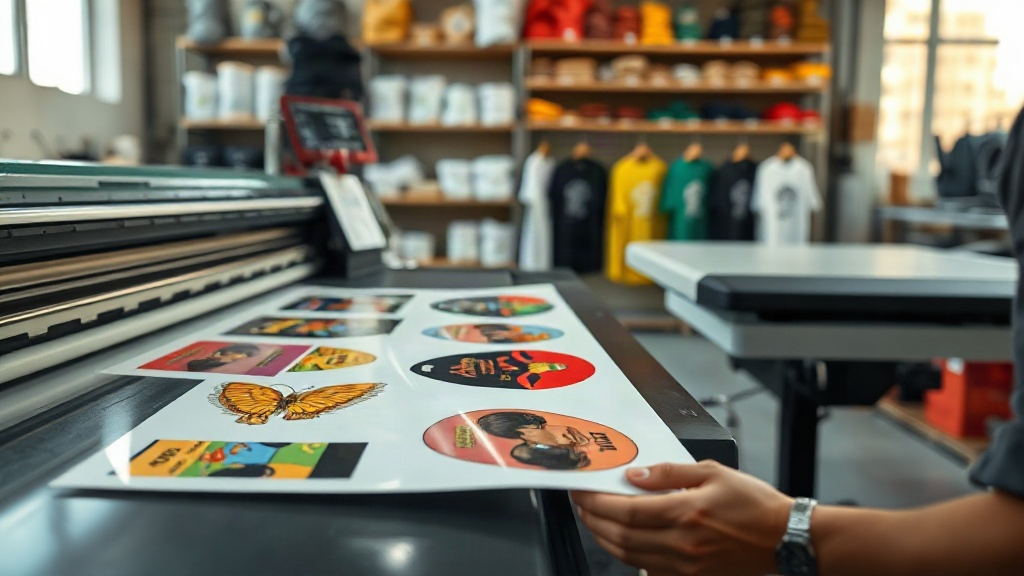
If you are searching for DTF transfers, you probably want a reliable supplier who can deliver vibrant, durable prints without the hassle of long shipping times. The phrase dtf transfers near me is common among small business owners, print shops, and crafters who need a quick turnaround. But finding the right local provider is not just about proximity. It is about quality, consistency, and communication. In this guide, we will explore what DTF transfers are, how to evaluate local providers, and what questions to ask before placing your first order.
What Are DTF Transfers?
DTF stands for Direct to Film. It is a printing method where a design is printed onto a special film, coated with adhesive powder, and then heat pressed onto fabric. Unlike traditional screen printing, DTF does not require screens or complex setup, making it ideal for small batches and detailed designs. The result is a soft, stretchable, and highly durable print that works on cotton, polyester, blends, and even some harder surfaces.
Because of its versatility, many businesses are turning to DTF transfers for their custom apparel needs. Instead of investing in expensive equipment, they can order transfers from a provider and simply apply them with a heat press. This model offers flexibility and cost-effectiveness, especially for startups and home-based businesses.
Why Search for DTF Transfers Near Me?
When you type dtf transfers near me into a search engine, you are likely looking for convenience. Local providers offer several advantages:
- Faster shipping: You can get your transfers in days, not weeks.
- Lower shipping costs: No international or cross-country fees.
- Better communication: You can potentially visit the facility or meet face-to-face.
- Support local business: You contribute to your community's economy.
However, proximity should not be the only factor. A nearby provider might not have the best quality or price. So, how do you choose?
Key Factors to Evaluate a Local DTF Provider
1. Print Quality and Samples
Before committing, ask for physical samples. A reputable provider will be happy to send a few sample transfers. Test them on different fabrics and colors. Look for vibrant colors, sharp details, and a soft hand feel. Also, check the durability after washing. A good DTF transfer should withstand multiple washes without cracking or fading.
2. Film and Ink Quality
The quality of the film and ink used matters significantly. High-quality films are thinner and more adhesive, while low-quality films may be thick and peel off easily. Inks should be vibrant and bleed-resistant. Ask about the brands they use. Established providers often use trusted names like Epson or Brother inks and premium films.
3. Turnaround Time
Ask about their standard production time and rush options. Some providers offer same-day or next-day processing for local orders. If you need a large volume, ensure they can handle your order without delays. Clear expectations prevent disappointment later.
4. Pricing Structure
Price is always a consideration. However, the cheapest option may not be the best value. Compare prices per transfer, but also factor in quality, shipping, and minimum order quantities. Some local providers offer volume discounts. Ask for a quote based on your specific design and quantity.
5. Customer Service and Communication
Good communication is essential. You want a provider who responds promptly to emails or calls, answers your questions, and provides proofing before printing. If they are hard to reach, that is a red flag. A local provider should be accessible and willing to work with you.
Common Mistakes to Avoid
Ignoring Design Requirements
DTF printing requires images with high resolution and proper color profiles. Many beginners send low-resolution images and expect perfect results. Ensure your designs are at least 300 DPI and in CMYK or RGB appropriately. Ask your provider for their file specifications.
Not Testing on Your Fabric
Different fabrics react differently to heat and adhesive. Even if the transfer looks great on a cotton shirt, it may not perform well on a polyester jersey. Always test on the actual fabric you plan to use. A local provider might even let you bring in fabric samples.
Overlooking White Ink Coverage
For dark-colored garments, white ink is crucial. Poor white ink coverage can result in a faded design or ghosting. Ask about their white ink density and how they handle underbase printing.
Forgetting to Check Reviews
Online reviews can reveal a lot about a provider's reliability. Search for reviews on Google, Yelp, or social media. Also, ask for references from other local businesses. A provider with a solid reputation is more likely to deliver quality.
Questions to Ask Before Ordering
- What is your minimum order quantity?
- Do you provide free samples?
- What are your production times?
- Do you offer design assistance or proofing?
- Can you handle bulk orders?
- What happens if there is a defect or issue with my order?
Asking these questions upfront can save you from headaches later. A professional provider will welcome your queries and provide clear answers.
How to Build a Long-Term Relationship with Your Local DTF Provider
Once you find a local provider that meets your needs, nurturing the relationship can yield benefits. Regular orders may lead to better pricing or priority service. Provide clear and consistent order details. Give feedback on quality so they can improve. If you have a large project, discuss it in advance. A good partnership is built on trust and mutual benefit.
Conclusion
Finding the best DTF transfers near me requires more than a quick search. You need to evaluate quality, pricing, communication, and reliability. Take the time to request samples, ask questions, and test the transfers on your products. By doing your due diligence, you can secure a local partner who helps your business grow with vibrant, durable prints. Do not settle for the first option; use this guide to make an informed choice.
Frequently Asked Questions
How long do DTF transfers last?
DTF transfers are known for their durability. When applied correctly and cared for, they can last for many washes, often 50 or more, without significant fading or cracking. The longevity depends on fabric type, washing conditions, and the quality of the transfer. Always follow the recommended care instructions, such as washing in cold water and drying on low heat, to extend the life of your prints.
Can I use DTF transfers on dark shirts?
Yes, DTF transfers are excellent for dark garments. The printing process includes a white underbase layer that ensures colors pop on dark fabrics. However, the quality of the white ink matters. A skilled provider will ensure proper opacity and softness. When you order, specify that your design will be applied to dark colors so they can adjust the print settings accordingly.
What is the minimum order quantity for DTF transfers?
Minimum order quantities vary by provider. Some local shops offer no minimums, allowing you to order a single transfer, while others may require a minimum of 10 or more. If you are a small business or just testing, look for providers with low or no minimums. However, be aware that per-transfer prices are often higher for small quantities. As your volume grows, seek providers who offer volume discounts.
How much do DTF transfers cost?
The cost of DTF transfers depends on several factors: the size of the design, the number of colors, the quantity, and the provider's pricing structure. On average, a single 8x10 inch transfer might cost between $2 and $5, but larger or full-color designs can be more. Local providers may have different overheads than online companies, so it is wise to compare quotes. Always factor in shipping and any setup fees.
Do I need a heat press to apply DTF transfers?
Yes, you need a heat press to apply DTF transfers correctly. A heat press provides even pressure and consistent temperature, which are essential for proper adhesion. While a home iron might sometimes work, it is not recommended because it often lacks the necessary pressure and heat distribution. For best results, invest in a quality heat press and follow the provider's recommended settings, usually around 300°F for 15-20 seconds with medium to firm pressure.