
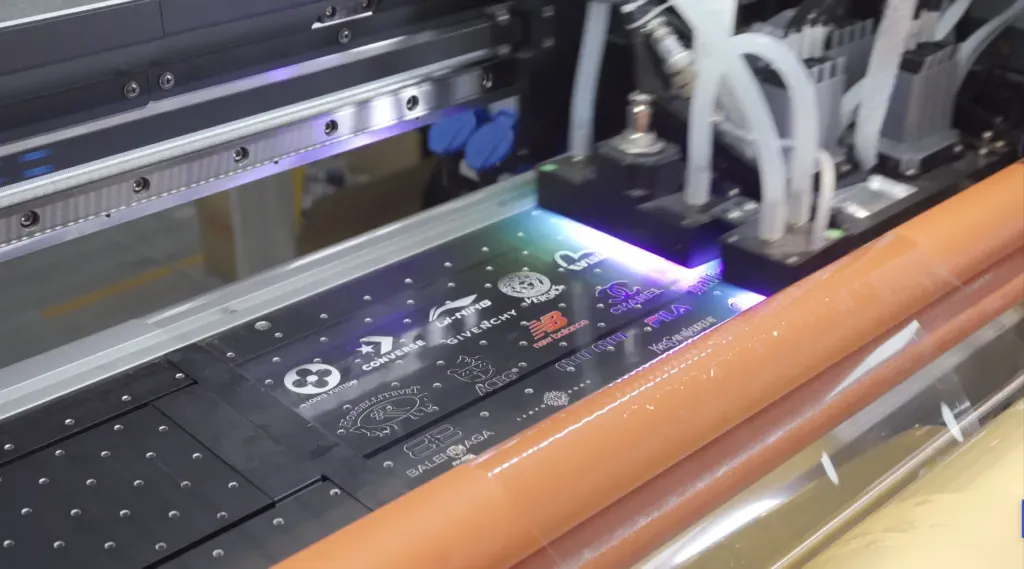
In the world of digital printing technology, UV Direct-to-Film (DTF) technology is making waves with its innovative approach to printing on a variety of substrates. This advanced method merges the high-quality outputs of UV printing with the flexibility of direct-to-film printing, providing businesses with unparalleled options for creating eye-catching designs. The numerous advantages of UV DTF technology include faster production times, impressive durability, and the ability to work on diverse materials, making it an ideal choice for apparel printing and beyond. As industries continue to seek efficient and cost-effective solutions, UV DTF stands out for its ability to meet the demands of modern consumers while maintaining a commitment to sustainability. In this article, we will delve into everything you need to know about UV DTF technology, from its unique features to its potential challenges, ensuring that you are equipped to elevate your printing capabilities.
Revolutionizing the landscape of printing, the concept of UV Direct-to-Film (DTF) techniques combines the best of ultraviolet printing with direct film applications, offering businesses greater efficiency and versatility. This cutting-edge approach, often referred to as digital transfer printing, allows for high-quality results across various substrates, enhancing customization for branding, fashion, and promotional materials. Equipped with the flexibility to accommodate different designs, UV DTF technology is transforming the apparel printing industry by delivering vibrant colors and detailed outputs that stand the test of time. As organizations seek to streamline their production processes while maximizing the quality of their prints, alternative methods like UV DTF are emerging as frontrunners in meeting these evolving demands. By exploring the multifaceted benefits and features of this printing technique, we can better understand its impact on the future of digital manufacturing.
What is UV DTF Technology?
UV DTF (Direct-to-Film) Technology is an innovative printing method that combines the efficiency of UV printing with direct-to-film techniques. By using ultraviolet light to cure inks, this technology allows for rapid and high-quality prints on a variety of substrates, including textiles, plastics, and metals. One of its primary advantages is the ability to create vibrant, durable designs that can withstand wear and environmental factors. Businesses are increasingly utilizing UV DTF technology for custom applications, setting a new standard in the realm of digital printing.
This technology not only enhances the printing process but also expands creative possibilities for designers and brands. The versatility provided by UV DTF means that companies can easily switch between different materials and printing needs, making it highly adaptable for various industries. From apparel printing to promotional merchandise, UV DTF technology is becoming the go-to solution for businesses aiming to push their creative boundaries.
Key Features of UV DTF Technology
One of the standout features of UV DTF technology is its exceptional versatility. This allows printers to operate efficiently across a range of materials, making it ideal for diverse applications. With UV DTF, businesses can print detailed images on everything from fabrics to hard surfaces with ease. This ability to shift between substrates not only caters to high-quality output but also enables companies to explore new markets and product offerings.
Additionally, the UV curing process ensures that prints retain quality over time. The instant drying feature leads to vivid colors and sharp details that are less likely to fade over time, making it an ideal choice for professional-grade printing projects. As a result, the durability associated with UV DTF technology means that businesses can maintain a competitive edge in the fast-paced world of digital printing, reinforcing their reputation for quality.
Advantages of UV DTF over Traditional Methods
UV DTF technology presents several advantages over traditional printing methods. Firstly, the efficiency of this process boosts production times significantly, allowing for faster turnaround on projects. This is particularly beneficial for businesses seeking to cater to customer demands promptly or those involved in short-batch production cycles. By reducing the need for extensive setups and long waiting periods, UV DTF streamlines operations and enhances overall productivity.
Furthermore, the cost-effectiveness associated with UV DTF technology cannot be overlooked. Compared to traditional screen printing, which usually incurs high costs in setup and materials, UV DTF allows for lower initial expenditures and less waste. Since it supports on-demand printing, businesses can save on inventory and storage costs, effectively optimizing their financial management while meeting market demands.
Environmental Benefits of UV DTF Technology
As sustainability becomes increasingly important in manufacturing processes, UV DTF technology aligns perfectly with modern environmental concerns. Utilizing eco-friendly inks reduces harmful emissions and waste that often characterize traditional printing methods. The precise application of inks in UV DTF printing minimizes excess, which not only decreases waste but also contributes to a smaller carbon footprint for companies that adopt it.
Moreover, the durability of UV DTF prints implies less frequent replacements and reprints, which further supports eco-friendly initiatives. By creating long-lasting products, businesses can reduce the overall impact their operations have on the environment, thus appealing to consumers who are more conscious about sustainability. Adopting UV DTF technology showcases a commitment to responsible production practices, benefitting both the business and the planet.
Recent Innovations in UV DTF Technology
The UV DTF technology landscape is evolving quickly, with recent innovations paving the way for increased efficiency and effectiveness in the printing industry. Suppliers are consistently developing faster-drying inks and improved formulations that enhance adhesion across multiple substrates. These advancements are crucial in meeting the growing demands for quicker production times while maintaining the high-quality outputs characteristic of UV DTF technology.
Additionally, the growing application of UV DTF technology in the apparel sector highlights its adaptability. Customization and personalization trends are driving the need for innovative printing solutions, and UV DTF is proven to accommodate these market shifts. As more brands seek unique and tailored offerings for their customers, the demand for UV DTF prints is likely to surge, further embedding this technology in the fabric of digital printing.
Navigating Challenges in UV DTF Implementation
Despite the myriad benefits of UV DTF technology, businesses must also navigate certain challenges to maximize its potential. For instance, the operation of UV DTF printers requires skilled personnel who understand the detailed nuances of digital printing technology. Companies may face challenges in training staff or finding qualified individuals, which could slow down the transition to this advanced method.
Additional hurdles include the initial investment in high-quality equipment, which may deter some businesses from adopting UV DTF technology. Although the long-term savings are notable when considering operational efficiencies and reduced production costs, the upfront financial commitment can still be a significant barrier. Therefore, careful consideration and planning are vital for businesses aiming to leverage the benefits of UV DTF technology while ensuring a smooth transition.
Frequently Asked Questions
What is UV DTF Technology and how does it differ from traditional UV printing?
UV Direct-to-Film (DTF) Technology combines the principles of UV printing with direct-to-film processes, allowing for vibrant and high-quality prints on a variety of substrates. Unlike traditional UV printing, which typically requires direct application onto materials, UV DTF first prints on a specially coated film before transferring the image, enhancing versatility in production.
What are the main advantages of using UV DTF Technology for apparel printing?
Utilizing UV DTF Technology for apparel printing offers numerous advantages, including exceptional color vibrancy, durability, and the ability to print on diverse materials. The quick drying process of UV inks improves production efficiency, making it ideal for small-batch and custom apparel orders.
Can UV DTF Technology be used for printing on materials other than fabrics?
Yes, UV DTF Technology is highly versatile and can print on various materials besides fabrics, including plastics, metals, and wood. This adaptability allows businesses in different industries to leverage UV DTF for customized solutions and product diversification.
How does UV DTF Technology contribute to sustainable printing practices?
UV DTF Technology promotes sustainable printing practices by using eco-friendly inks and minimal waste through precise ink application. This reduces the environmental impact of production, aligning with the growing demand for environmentally conscious manufacturing in the printing industry.
What challenges might businesses face when adopting UV DTF Technology?
Businesses adopting UV DTF Technology may encounter challenges including the need for skilled operators, a significant initial investment in high-quality printers, and regular maintenance requirements to ensure optimal performance. However, these challenges can be outweighed by the technology's long-term efficiency and cost-effectiveness.
What recent developments in UV DTF Technology enhance its market appeal?
Recent advancements in UV DTF Technology include faster-drying inks and improved adhesion properties, enhancing efficiency for print shops. These developments cater to the increasing demand for personalized apparel and custom products, positioning UV DTF as a go-to solution in the competitive printing landscape.
| Key Points | Details |
|---|---|
| Introduction | UV DTF combines UV printing with DTF, revolutionizing modern printing approaches. |
| Overview | Utilizes UV light to cure inks for printing across various materials. |
| Versatility | Ability to print on textiles, plastics, and metals, catering to diverse industries. |
| High-Quality Output | Vivid colors and remarkable print detail due to immediate ink curing. |
| Durability | Inks are resistant to scratches and fading, ensuring long-lasting quality. |
| Efficiency | Faster production times by streamlining the print process. |
| Environmental Benefits | Eco-friendly inks and reduced waste contribute to sustainability. |
| Cost-Effectiveness | Lower setup costs and suitability for short runs minimize expenses. |
| Recent Developments | Innovations lead to faster drying inks and improved applications. |
| Challenges | Need for skilled operators, initial investment, and maintenance requirements. |
Summary
UV DTF technology is reshaping the landscape of digital printing with its innovative approach that combines speed, quality, and versatility. This method not only enhances printing efficiency but also focuses on environmental sustainability, aligning with modern consumer and business demands. As the industry evolves, the continual advancements in UV DTF technology are expected to unlock even more potential applications, making it an invaluable asset for businesses aiming to thrive in a competitive market. By adopting UV DTF technology, companies can elevate their production capabilities and creativity in ways previously thought unattainable.