
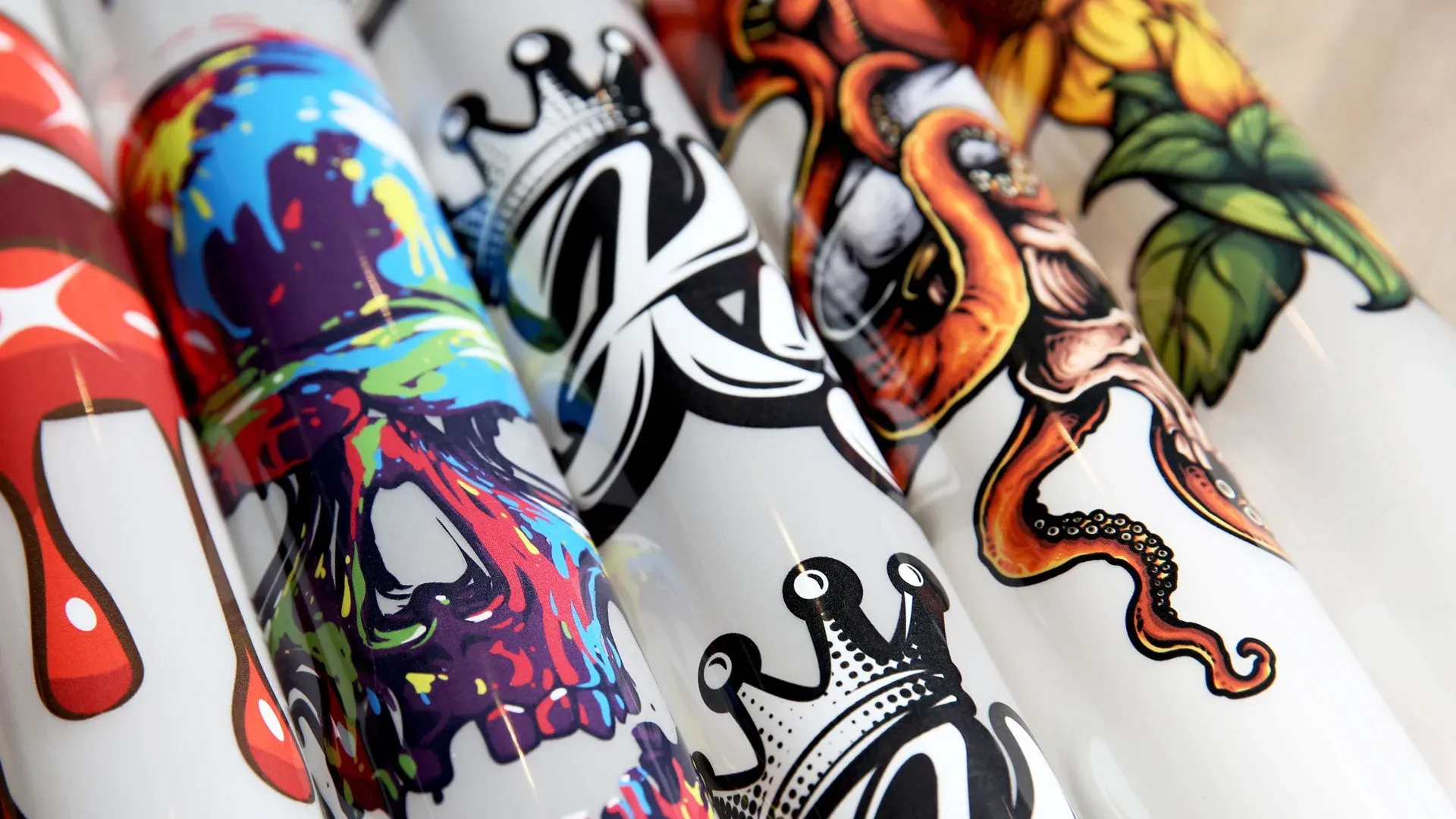
In the bustling realm of garment printing, **DTF transfers**—short for Direct-to-Film transfers—are redefining the landscape with their ability to create vibrant and detailed designs. This cutting-edge technique allows for an impressive range of applications, appealing to both businesses and creative enthusiasts eager to personalize textiles. With the DTF transfer process, users can achieve striking colors and exceptional durability, making it a preferred choice for custom apparel. As we delve into the world of DTF printing, we will explore its advantages, applications, and what makes it stand out among traditional printing methods. Join us as we unlock the potential of DTF transfers and answer some frequently asked questions on this innovative approach to garment decoration.
When discussing modern techniques in garment decoration, terms like Direct-to-Film printing and DTF transfer methods are becoming increasingly familiar in the industry. These methods provide a unique way to apply intricate designs to fabrics, offering an excellent alternative to conventional textile printing options. Moreover, thanks to their versatility, these approaches are suitable for various materials, ensuring that custom apparel can cater to a wide audience. By understanding the mechanics of these printing technologies, users can optimize their design choices and elevate their branding efforts. The DTF transfer method not only enhances the aesthetic appeal of garments but also expands opportunities for creative expression.
Understanding DTF Transfers: The Basics
DTF transfers, or Direct-to-Film transfers, represent a significant evolution in fabric printing technology. This method begins when a design is printed onto a specialized film using DTF inks, which are known for their water-based composition. The process incorporates a unique adhesive powder that bonds the vibrant inks to a variety of fabrics, ensuring the final product is not only visually striking but also durable. One of the standout features of DTF printing is its ability to adapt to different materials, allowing fabricators to unleash their creativity across a wide range of garments.
Equipped with a straightforward workflow, mastering the basics of DTF transfers can greatly benefit those looking to enter the garment printing industry. The foundational steps include printing your design on a film, applying the adhesive powder, and utilizing a heat press for transfer. This streamlined process minimizes the complexity often associated with traditional printing methods such as screen printing, making DTF an attractive option for both beginners and seasoned professionals alike.
The Advantages of DTF Transfers Over Traditional Methods
DTF transfers come with a variety of advantages that set them apart from traditional printing techniques. One notable benefit is their versatility; unlike methods such as screen printing that are limited to specific fabric types, DTF printing can be applied to a range of textiles, including cotton, polyester, and blends. This flexibility opens the door to numerous design opportunities, allowing businesses to cater to diverse markets with ease.
Another significant advantage of DTF printing is the superior color quality it offers. The inks used in DTF transfers provide rich, vibrant hues that retain their intensity over multiple washes. As a result, garments printed using this technique maintain their aesthetic appeal over time. Additionally, the cost-effectiveness of DTF for small runs makes it especially favorable for startups looking to test the waters without heavy financial commitment. This balance of quality and affordability positions DTF transfers as a viable solution for custom apparel production.
Exploring the Applications of DTF Transfers
The versatility of DTF transfers allows for a wide array of applications, making it a popular choice in several markets. From custom apparel for sports teams and promotional merchandise to personalized clothing for individual consumers, DTF printing caters to a range of needs. As businesses and individuals look for unique ways to express their identities or branding, DTF transfers provide the means to create eye-catching designs on everything from t-shirts to hoodies. This capacity to transform creative visions into tangible products enhances the appeal of DTF in today's saturated garment printing landscape.
Moreover, the durability of DTF transfers makes them particularly well-suited for sportswear. With the inevitable wear and tear that athletic apparel endures, it’s crucial that the prints retain their integrity even after rigorous use and regular washing. DTF technology stands up well to these challenges, ensuring that athletes can wear their customized gear confidently without worrying about design degradation.
DTF Transfer vs. DTG and Screen Printing
When comparing DTF transfers to other popular garment printing methods like Direct-to-Garment (DTG) printing and screen printing, several key differences emerge. While DTG involves printing directly onto a garment, which limits the range of materials that can be used, DTF printing excels in its ability to adapt to various fabrics. This versatility affords designers the creative freedom to explore countless styles without the restrictions posed by garment type.
Screen printing, on the other hand, is known for its cost-effectiveness in bulk production, but it often requires more labor and meticulous setup for complex designs. DTF simplifies this process by minimizing the steps needed to produce detailed prints, thus saving time and effort. Ultimately, understanding these distinctions can help businesses choose the most appropriate method for their specific needs, with DTF printing often being the go-to for flexibility and ease of use.
The DTF Transfer Process: A Step-by-Step Guide
Grasping the DTF transfer process is essential for anyone interested in utilizing this innovative printing technique. The journey begins with a DTF printer, which prints your chosen design onto specialized film. This film acts as the carrier for the vibrant inks that will eventually adorn the fabric. After printing, the next crucial step is to sprinkle adhesive powder over the wet ink, which must then be cured to ensure a strong attachment once the transfer is applied to the garment.
Following the curing phase, the heat transfer takes place. This involves positioning the film on the selected fabric and using a heat press to transfer the design. The heat activates the adhesive, bonding the inks to the material permanently. Understanding this process not only helps in creating high-quality prints but also in troubleshooting potential issues, making it invaluable for both hobbyists and business owners engaged in garment decoration.
Recent Trends in DTF Printing Technology
In recent years, the DTF printing industry has flourished with significant advancements, resulting in improved quality and accessibility for users. Innovations in ink formulations and the availability of high-quality transfer films have enhanced the vibrancy and durability of prints produced through DTF methods. This evolution signifies that businesses no longer have to compromise on quality in favor of affordability; both can be achieved simultaneously.
Additionally, as more suppliers enter the market to offer competitive products, users benefit from a greater selection of materials and technology options. Increasing awareness of DTF printing’s capabilities among entrepreneurs and creators has led to a rising demand for customized solutions in apparel printing. Such trends position DTF as a pivotal player in the garment printing landscape, shaping the future of custom apparel design.
Frequently Asked Questions
What is the DTF transfer process used in garment printing?
The DTF transfer process involves several key steps: first, a design is printed onto a specialized film using a DTF printer. Then adhesive powder is applied over the printed ink and cured to ensure strong adhesion. Finally, the film is placed on the fabric, and a heat press is used to transfer the design. This method allows for vibrant and durable designs on various fabrics.
How does DTF printing compare to DTG and screen printing?
DTF printing differs from DTG (Direct-to-Garment) printing, as it allows designs to be transferred to multiple types of fabric, whereas DTG prints directly onto garments. Compared to screen printing, DTF transfers simplify the process with fewer steps, making it more efficient for complex designs, while also being better suited for smaller runs.
What advantages do DTF transfers offer for custom apparel?
DTF transfers provide numerous advantages for custom apparel, such as exceptional color quality, versatility in fabric application, and durability against washes. This makes them ideal for creating eye-catching designs on t-shirts, hoodies, and other custom items.
Is DTF printing suitable for beginners in the garment printing industry?
Yes, DTF printing is often considered easier for beginners compared to traditional methods like screen printing. The streamlined process of printing on film and applying heat for transfer makes DTF an accessible option for those new to garment printing.
What equipment is necessary to start DTF printing?
To embark on DTF printing, you need specific equipment, including a DTF printer, heat press, DTF transfer film, and adhesive powder. Having these tools will enable you to produce high-quality DTF transfers for various applications.
How cost-effective is the DTF transfer method for small business owners?
DTF transfers can be cost-effective for small business owners, especially for short runs. Although initial equipment costs may vary, the operational costs per transfer are generally low, making it an economically viable option for startups looking to produce custom designs.
| Key Point | Explanation |
|---|---|
| What is DTF Printing? | A method of printing designs onto a specialized film using water-based DTF inks, which are then transferred onto fabrics using a heat press, allowing for intricate and durable designs. |
| Advantages of DTF Transfers | Includes versatility across various fabrics, excellent color quality, durability after multiple washes, and cost-effectiveness for small runs. |
| Applications of DTF Transfers | Suitable for custom apparel, promotional items, and sportswear, making it a versatile choice for personal and business use. |
| DTF vs DTG vs Screen Printing | DTF offers more flexibility compared to DTG by transferring to multiple materials, while being simpler and potentially more cost-effective than labor-intensive screen printing. |
| The DTF Transfer Process | Involves printing on film, applying adhesive powder, and using a heat press to transfer the design onto fabric. |
| Learning Curve | Most find DTF printing easier to learn than traditional screen printing due to fewer complex steps. |
| Cost Considerations | Initial setup costs are variable, but the operational costs per transfer remain low, making it feasible for most businesses. |
Summary
DTF transfers have become a revolutionary choice in the fabric printing industry, offering an efficient and highly versatile option for customizing apparel. With their ability to produce vibrant designs on various types of fabric, DTF transfers stand out by providing long-lasting quality even through numerous washes. This method not only caters to small business owners looking for cost-effective solutions but also to creative enthusiasts eager to explore intricate design possibilities. As the DTF printing technology continues to advance, it offers exciting new avenues for personal expression and brand promotion, changing the landscape of garment printing.